




00 Comment
4 months ago
In today’s competitive Irish job market, qualifications alone are often not enough to secure an accounting role. Employers across Ireland increasingly look for candidates who can demonstrate practical experience alongside their studies. Whether you are aiming to work in Dublin, Cork, Galway, or elsewhere in the country, gaining real-world accounting experience can significantly improve your employability and confidence within the profession.
Accounting is a practical career. While classroom learning teaches important theories, principles, and technical knowledge, experience allows you to apply those skills in real business situations. Employers want to know that candidates understand how accounting works in practice not just in textbooks.
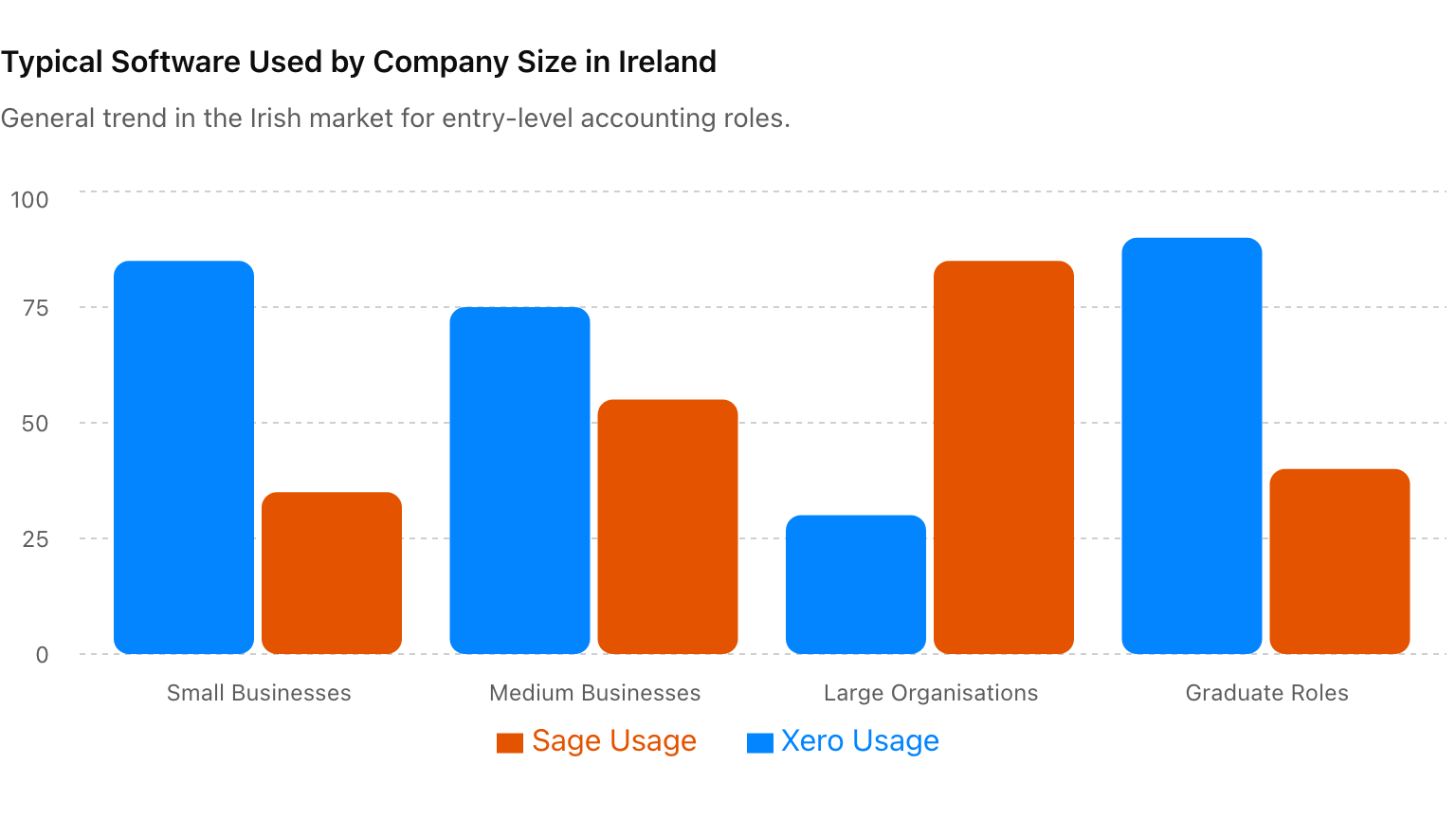
One of the main reasons experience is so valuable in accounting is because it helps individuals develop practical software skills. Many Irish businesses now use cloud-based accounting systems such as Xero, QuickBooks, and Sage to manage their finances. Small and medium-sized companies in Ireland particularly favour Xero due to its simplicity and accessibility. Employers often expect candidates to already have familiarity with these systems before joining a company. Practical experience gives learners the opportunity to use accounting software in realistic scenarios, helping them become job-ready faster.
Experience also helps individuals understand how businesses operate on a day-to-day basis. Accounting is not only about numbers — it is about supporting business decisions, maintaining compliance, managing financial records, and helping organisations remain financially healthy. Through hands-on experience, learners begin to understand processes such as invoicing, bank reconciliations, payroll support, VAT returns, expense tracking, and financial reporting. These are all essential tasks commonly required within entry-level accounting roles across Ireland.
Another important benefit of gaining accounting experience is the development of professional confidence. Many graduates struggle during interviews because they have little practical exposure to discuss with employers. Work experience gives candidates real examples they can speak about during interviews, making them appear more credible and prepared. Employers are often more confident hiring someone who has already experienced a professional accounting environment, even if it was through a training placement or internship.
In Ireland, competition for trainee and junior accounting positions can be strong, especially for candidates changing careers or entering the industry for the first time. Many employers prefer candidates who require minimal training and can quickly adapt to the workplace. Experience helps bridge the gap between education and employment by allowing learners to understand workplace expectations, communication standards, deadlines, and teamwork.
Practical accounting experience can also help individuals decide which area of accounting they enjoy most. Some people may prefer bookkeeping and accounts administration, while others may become interested in payroll, tax, management accounting, or financial analysis. Exposure to real accounting tasks can help shape future career goals and professional development pathways.
At entry level, experience can often become the factor that separates one candidate from another. Two individuals may hold similar qualifications, but the candidate with practical exposure is often seen as more employable. This is why many aspiring accountants in Ireland now look for training programmes that combine accounting education with practical work experience opportunities.
Ultimately, experience is important in accounting because it transforms knowledge into real-world ability. It allows learners to build confidence, improve technical skills, understand professional expectations, and become more attractive to employers in the Irish accounting sector.